
What to Do When Freelance Illustration Work is Slow: My Guide
Every single one of us in the freelance illustration world knows that sudden, slightly terrifying feeling. A big client project wraps up, the final files are sent, and then... absolute silence. No urgent emails, no tight deadlines, and not a single brief waiting in the inbox.
If you are in that spot right now, I have been there more times than I can count. Experiencing a quiet period is a completely natural part of the creative cycle. Does it mean that you have no talent for it? NO. Does it mean that your illustration career is over? ABSOLUTELY no.
Over the years, I’ve learned to view these calm periods actually as a gift. When we are rushing to meet client demands, it can be so hard to have enough time to invest in ourselves. This quiet patch is your golden opportunity to rest, experiment, and build a stronger foundation for your business.
Here is exactly how I use these slow moments to nurture my craft, stay inspired, and set my portfolio up for future success.
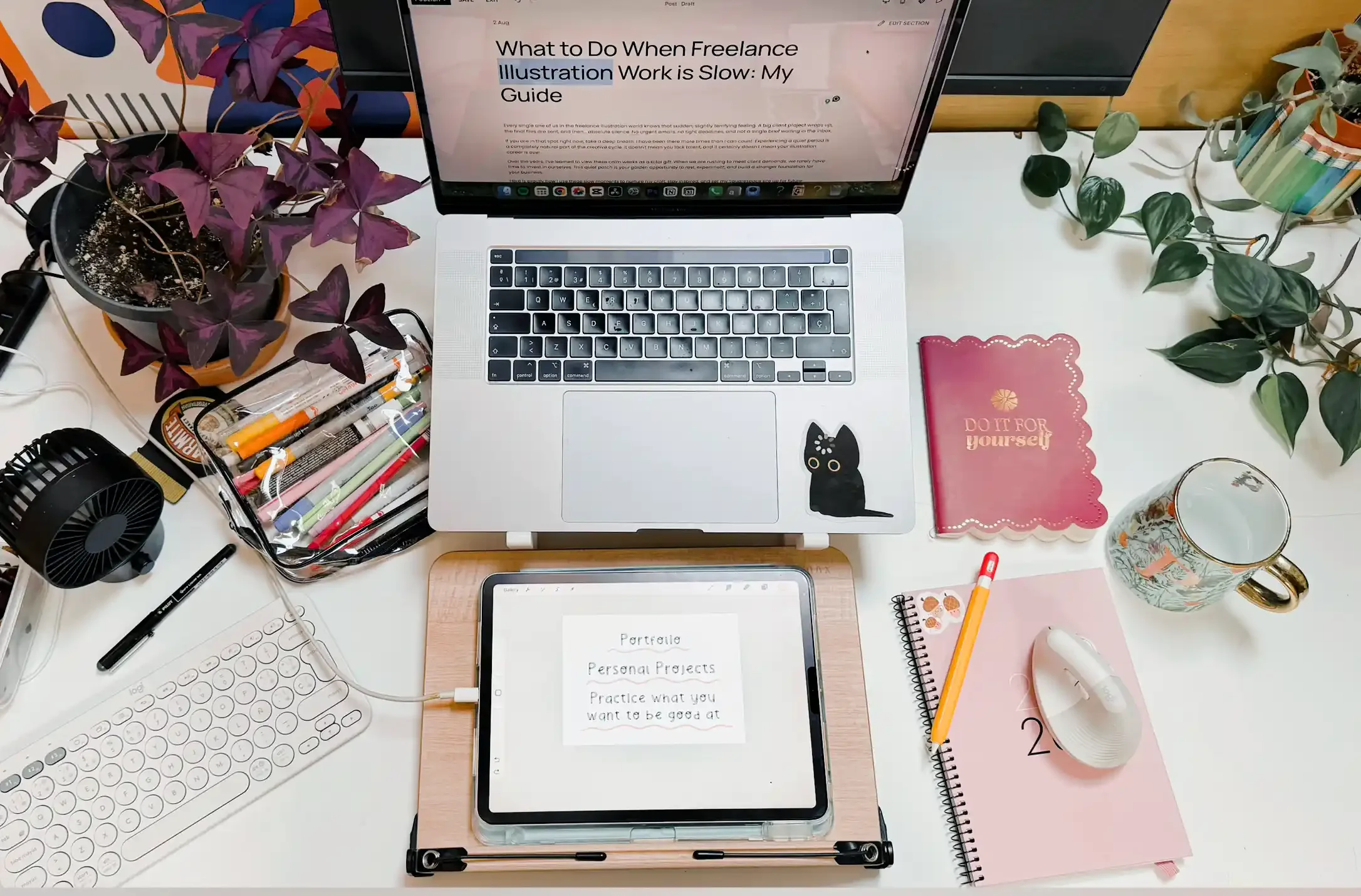
1. I Give My online Portfolio Some Love.
When things slow down, I make it my mission to give my online home some well-deserved attention.
I curate ruthlessly: I look at my galleries with fresh eyes and remove older pieces that no longer reflect my current skill level or the direction I want my career to take.
I show what I want to sell: If I want to book more children’s book illustration work, I make sure my homepage features character designs and narrative scenes, not just editorial spots.
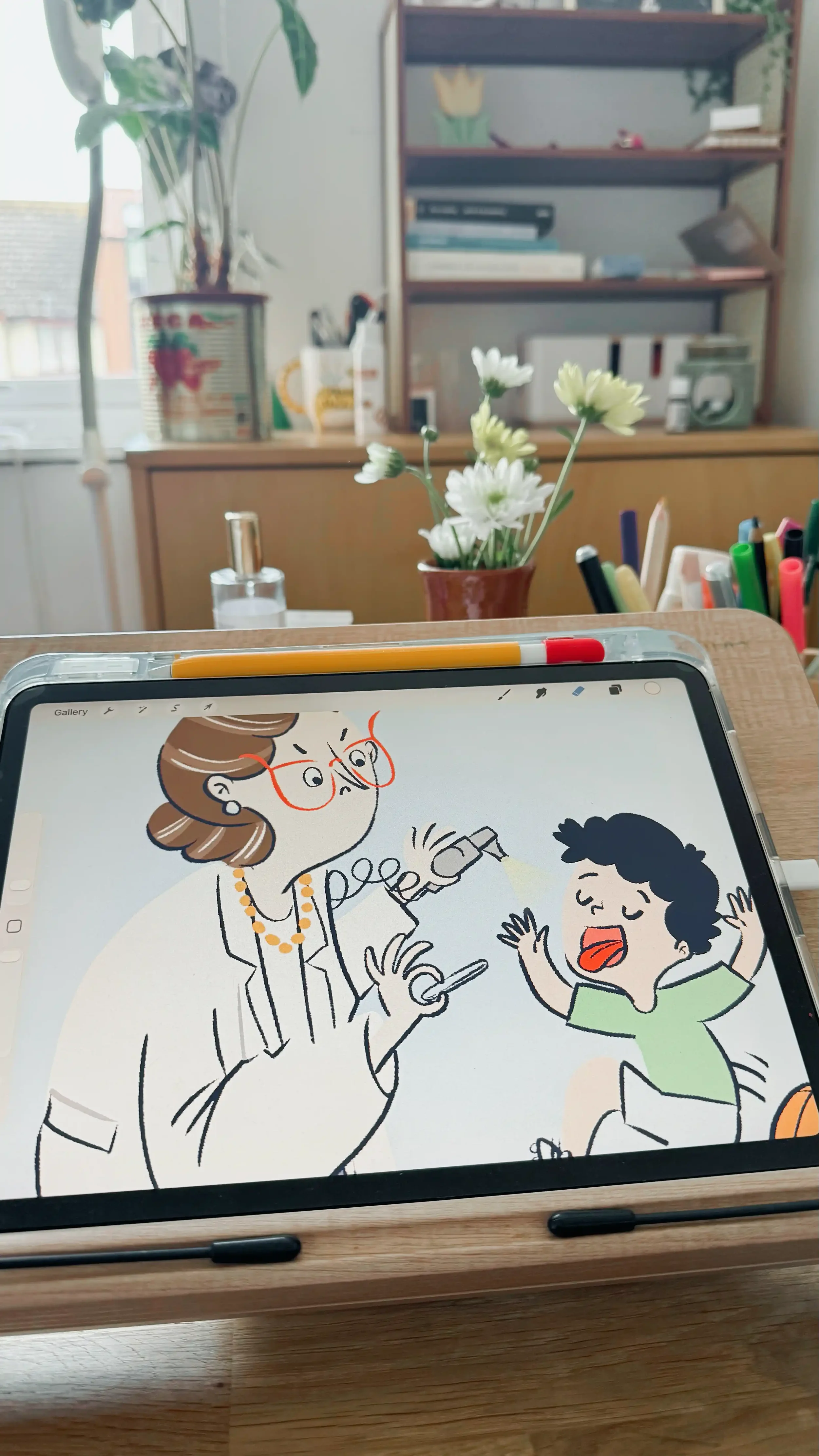
2. I Throw Myself Into Passion Projects.
When there is no client brief on my desk, I get to be my own art director. I absolutely love passion projects because they let us show potential clients exactly what we can do when given full creative freedom.
I invent my dream briefs: I truly love this part. I imagine my absolute dream client. Whether that's a book cover, a board game, or a classic novel publisher, I take these personal projects very seriously, even scheduling every single part of the project as a real project would do.
I experiment with new styles: I use this time to try out that colour palette, test new digital brushes, or step away from the screen entirely to play with gouache, printmaking, and coloured pencils.
I share my process: People love seeing how art comes to life. There was this trend on Instagram and TikTok. “Don’t post your work, post yourself working”. I still post my work in the form of a single image post, but definitely the photos or videos of you making your art are always quite engaging.
3. I Plant Seeds for Passive Income.
Relying solely on active client commissions can feel like a financial rollercoaster. I like to use my downtime to build small, alternative revenue streams that run quietly in the background.
I launch products on my shop: I did time ago. Now I’m taking a different approach to start selling my own art and products again from my website. I love adding high-quality art prints, sticker sheets, or physical merchandise using print-on-demand services to keep my upfront costs low.
I sell digital assets: Other creators are always looking for tools! I look through my files and package my custom Procreate brushes, unique texture overlays, or digital wallpaper designs into downloadable products.
I explore licensing: I dedicate a few afternoons to researching art licensing agents or preparing a pitch deck of repeating patterns that brands could lease for patterns, greeting cards, or stationery.
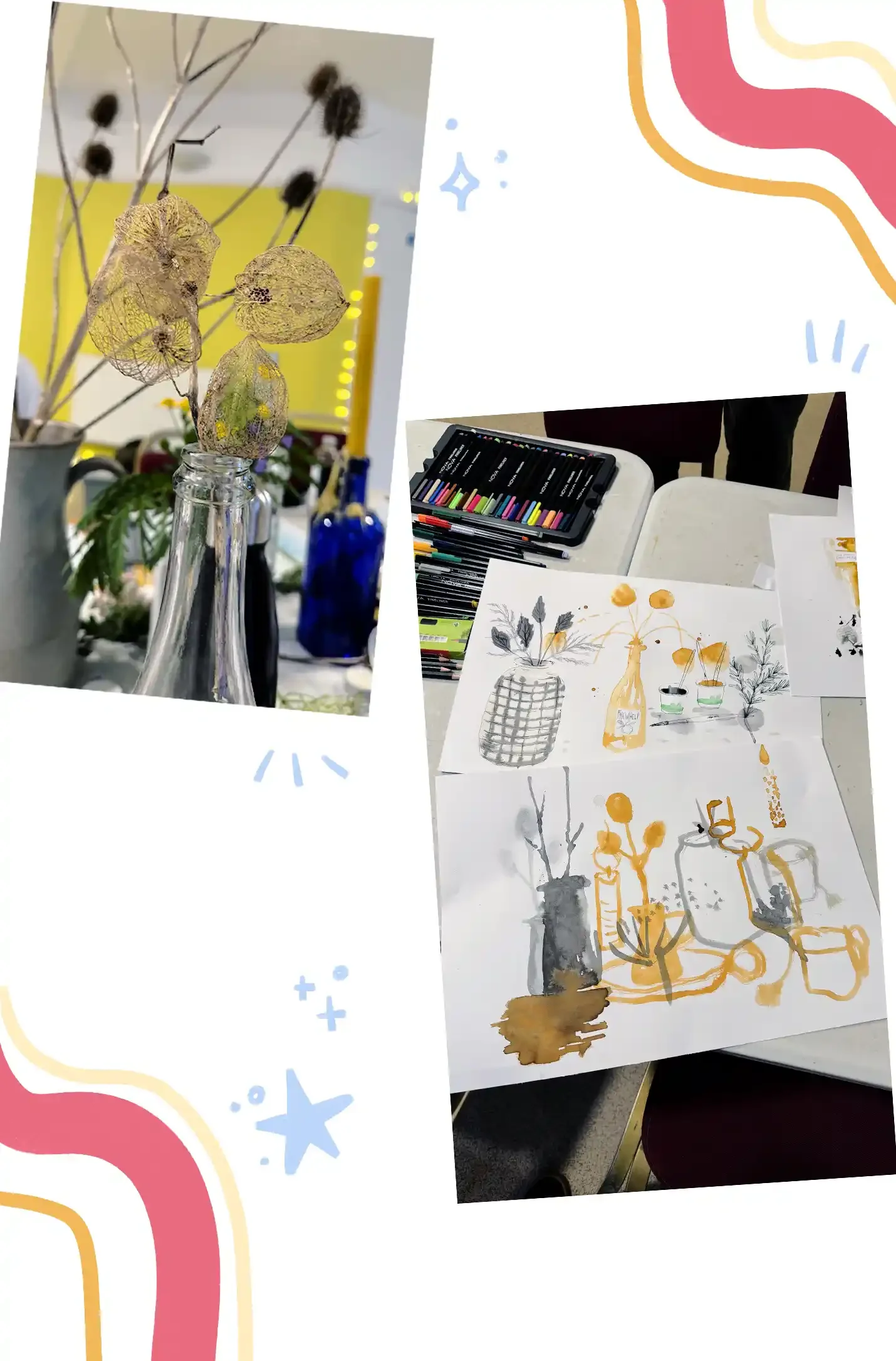
4. I Reconnect with the Creative Community
Illustration can feel incredibly lonely, especially when work slows down and you're left alone with your thoughts. Reaching out to the wider creative world always boosts my mood and opens unexpected doors.
Joining life drawing events in your city: It really depends on where you live, but these kinds of events are usually incredibly inspiring. Being surrounded by people who share your love of drawing can be so motivating and creatively fulfilling. If your city or town doesn't have a life drawing group, that's a wonderful opportunity to start one yourself and see where it takes you.
I join artist challenges: I love participating in online community events like #Inktober, #MeetTheArtist or #kidlitpostardday to get my work in front of fresh eyes and fellow peers.
I catch up with creative friends: I reach out to a fellow freelancer for a coffee or a virtual chat. Sharing our experiences always reminds me that I'm not the only one navigating a quiet spell.
5. I Forgive Myself and Just Take a Rest
Honestly, sometimes the most productive thing you can do during a slow period is to simply stop working. Creative burnout is incredibly real, and you cannot pour from an empty cup.
I step away from the desk: I go for long walks in nature, visit a local gallery, read a book, or watch a film. Our brains need new inputs to generate beautiful new creative outputs.
I trust the cycle: I remind myself that the work always comes back. I use the breathing room to sleep well, move my body, and reconnect with hobbies that have absolutely nothing to do with drawing.
When your next wave of busy client work arrives, and trust me, it will, you will look back at this quiet time as the best opportunity to make steps further in the direction you want.
